Türkiye Set a Low-Carbon Record During the Holiday
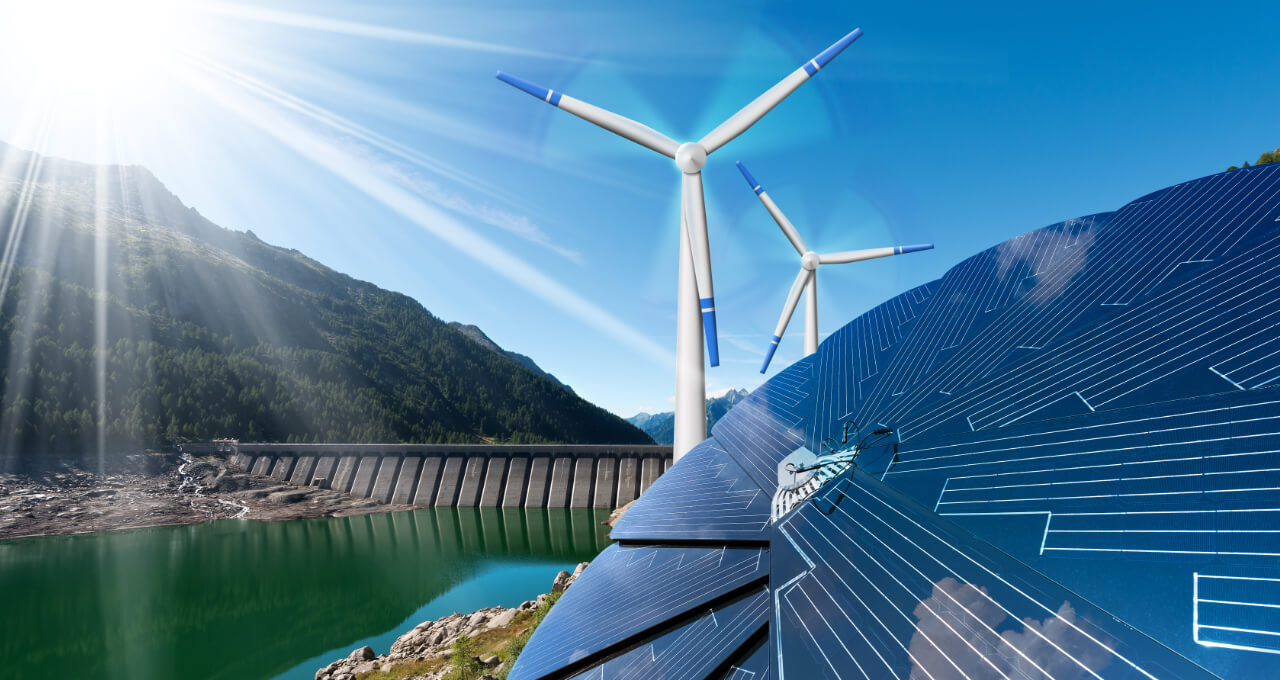
According to calculations, the Turkish power grid reached its lowest-carbon level to date last week.
According to data from the CO2Free.energy platform, supported by TÜBİTAK, this value was recorded at 160.0 gCO2/unit at 12:00 p.m. on Thursday, May 28, 2026, and entered the platform’s records as the lowest value to date.
With the average for May 2026 standing at 237.4 gCO2/unit, this value remained low throughout the day on May 28, and the daily average was recorded at 201.5 gCO2/unit.
This figure was driven by a decline in electricity demand due to the holiday, combined with high electricity generation from renewable energy sources, primarily solar and hydroelectric power.
According to the platform’s analysis, during this record-breaking period, Türkiye’s electricity generation level was 32,797.2 MW, with solar power plants accounting for 45.2% of this generation and hydroelectric plants accounting for 33%. The total share of renewable energy sources in generation during this period was 87.5%.
In his assessment, the platform’s founder, Çağlar Çakır, noted that the combination of solar production reaching 14.6 GW around noon on May 28, 2026, and fossil gas production dropping to around 0.6 GW resulted in a significant “cleaning” of the generation mix, he emphasized how quickly the grid’s carbon intensity can drop on holidays—when electricity demand is relatively low—if solar and hydro generation operate at full capacity simultaneously.
In his assessment, Mr. Çakır emphasized that this record is not merely a statistical data point from the perspective of CO2Free.energy, but rather a concrete example demonstrating the value of real-time carbon data that can be obtained when solutions such as battery storage and demand response are deployed at the right times, in conjunction with shifting electricity consumption to cleaner hours.
Mr. Çakır added that measuring, announcing, and making the cleanest hours visible is the first step toward making cleaner consumption decisions.