
“Lifting Additional Tariffs Opens New Opportunities for Investors”
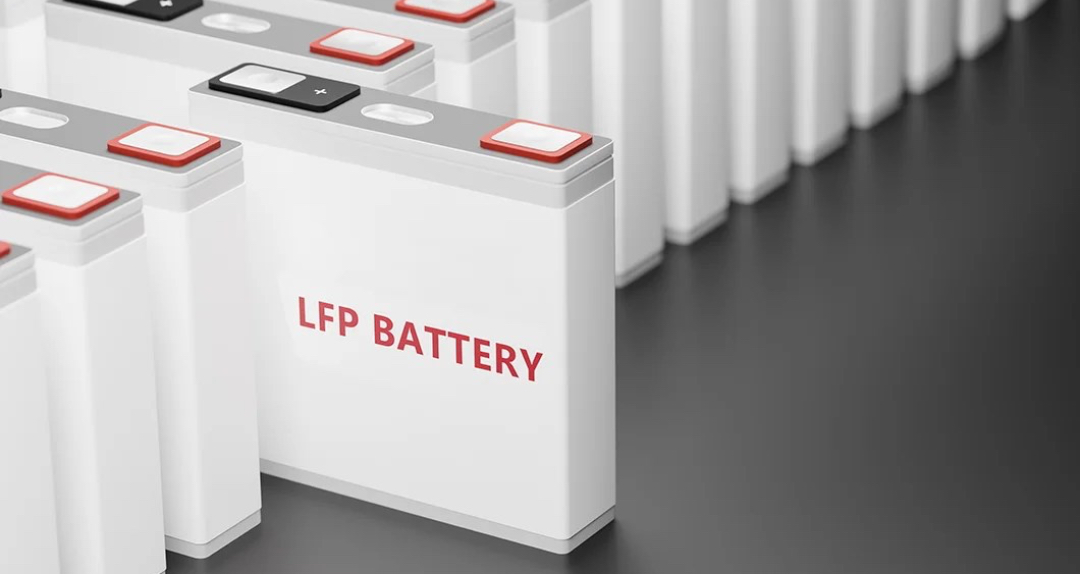
C. Can Tutaşı, chairman of the Energy Storage Systems Association, or EDSİS, said the removal by year’s end of additional tariffs on imports of lithium iron phosphate, or LFP, battery cells would create a significant opportunity, directly affecting the cost structure and competitiveness of projects scheduled to come online in 2027.
Mr. Tutaşı added that the decision would help unlock investment in the near term, while allowing the energy-storage industry to gain scale, experience and technical expertise. He said it would also mark an important step in Türkiye’s transition from an import-dependent market to a sustainable battery industry with a high proportion of domestic production.
“The Decision Creates an Opportunity for Projects Scheduled for 2027”
In a written statement, Mr. Tutaşı said Türkiye’s energy-storage sector was entering a period in which investments were beginning to take shape on the ground. At the same time, global battery prices were declining, in part because China is expected to phase out export value-added-tax rebates for battery products by the end of the year.
These factors, he said, have turned the second half of the year into a critical procurement period for the global battery trade. As a result, the next several months will be consequential not only because of lower prices, but also because they will shape investment decisions and procurement strategies across the energy-storage sector.
“Accelerating Investment Will Bring Greater Scale and Technical Capabilities”
Mr. Tutaşı cautioned, however, that the measure should not be treated as an invitation to import more battery cells than necessary and build up excessive inventories, given the specialized nature of the products. Import volumes, he said, should be aligned with actual production plans, confirmed orders and project schedules.
He also emphasized that Türkiye’s long-term objective in energy storage should be the development of an integrated domestic manufacturing ecosystem and stated the following:
These cells have a limited shelf life, which means they age over time even when they are not being used, depending on storage conditions. The date of manufacture and the conditions under which the cells are stored and transported can directly affect their capacity, efficiency, lifespan and safety. Inventories that are not properly managed may therefore turn a short-term cost advantage into diminished performance, warranty disputes and quality risks later on.
Türkiye’s long-term goal, however, is not simply to import battery cells at lower cost. It is essential to develop an integrated domestic manufacturing ecosystem extending from cell production and battery-management systems to energy-management software, container solutions and systems integration. While this measure will help unlock investment in the near term, it will also provide the industry with greater scale, experience and technical capabilities, creating an important bridge from an import-dependent structure to a sustainable battery industry with a high level of domestic production.