
“Without Electricity, There Is No Artificial Intelligence”
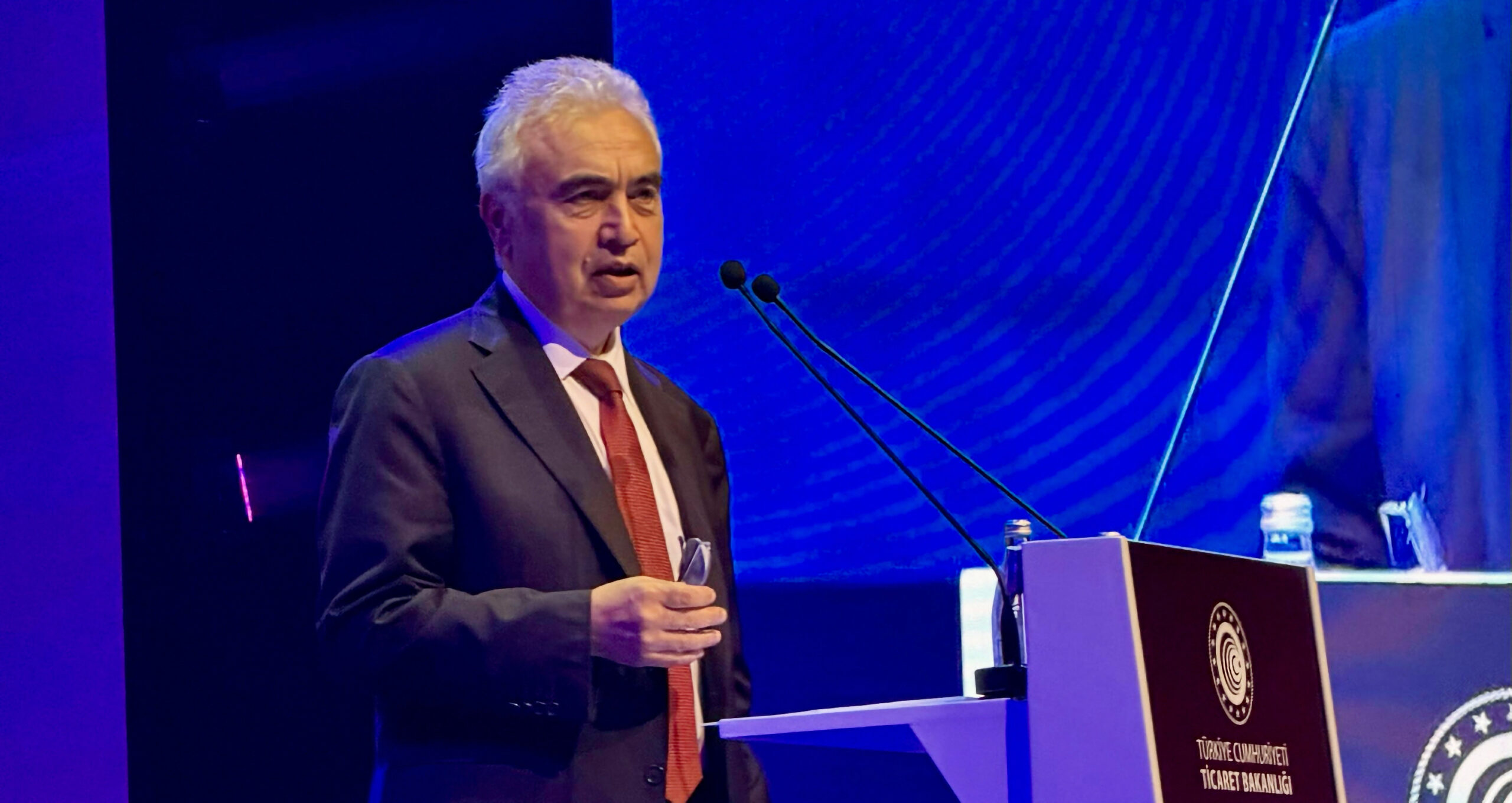
Fatih Birol, head of the International Energy Agency, spoke at the opening of the Istanbul Global E-Export Summit, or IGEXX 2026, where he highlighted the accelerating pace of electrification and the increasingly close relationship between artificial intelligence and power generation.
“We are living through an era in which everything is becoming electrified”
Different periods in world history have been defined by the predominance of particular forms of energy, Birol said. Today, he added, electricity is the fastest-growing form of energy.
Electricity consumption is growing three times as fast as overall energy consumption, he said. Among the principal forces driving that growth are rising demand from data centers as artificial intelligence expands, the proliferation of electric vehicles and the growing use of air conditioning.
Countries capable of producing large quantities of electricity at low cost, Birol said, will therefore gain an increasingly important position in the global economy.
Electric vehicles accounted for just 5 percent of global automobile sales five years ago, he said, compared with 30 percent this year. He predicted that the share would soon reach 50 percent.
Birol attributed the rise both to falling electric-vehicle costs and to government policies aimed at reducing dependence on oil.
At the same time, he said, one of the most important drivers of growth in global electricity demand is the rapidly expanding use of air conditioning.
About 90 percent of homes in the United States and Japan have air conditioning, Birol said, compared with about 5 percent in Nigeria, a country of roughly 250 million people.
As temperatures rise and incomes increase in developing economies, he said, purchases of air conditioners are growing rapidly — a natural response to greater prosperity and hotter conditions, but one that is also placing substantial additional pressure on electricity demand.
“Without electricity, there is no artificial intelligence”
Birol devoted a significant portion of his remarks to artificial intelligence, which he described as one of the world’s most consequential areas of technological development.
Countries that establish an early lead in artificial intelligence, he said, will also gain greater influence over the economic and political choices of other countries.
The United States and China are already engaged in intense competition in the field, while Europe, India and the Middle East are also seeking to avoid falling behind, Birol said. The outcome, he added, will depend not only on advances in software but also on the availability and capacity of data centers.
A medium-size data center can consume as much electricity as a city of 100,000 households, Birol said. Their heavy consumption has prompted complaints from industrial companies concerned about pressures on the power system and from households facing higher electricity prices.
Artificial intelligence, however, could also make a positive contribution to the energy system, Birol said.
AI could help power grids respond more efficiently to changing conditions, including rising demand from electric vehicles and the intermittent generation of renewable-energy sources. By optimizing the grid, he said, artificial intelligence could help electricity be used more efficiently and enable power systems to make better use of available generation.