
“Türkiye is entering a phase of concrete investment in offshore wind”
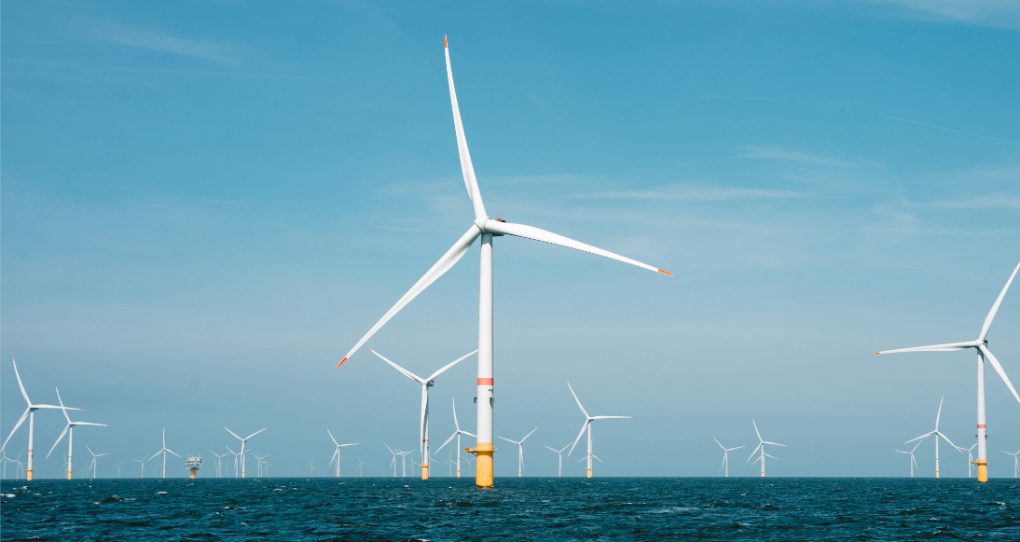
The Turkish Wind Energy Association (TÜREB) issued a statement regarding the Draft Terms of Reference for the 2026 Offshore Wind Energy Tender (DÜRES-2026), published yesterday (June 22?) by the Ministry of Energy and Natural Resources.
In his assessment within the statement, TÜREB President Dr. İbrahim Erden emphasized that the publication of the draft terms of reference marks Türkiye’s transition from the planning phase to the investment phase in offshore wind energy—an area the country has been working on for a long time—and underscored that this development represents a historic milestone in Türkiye’s offshore wind journey. Dr. Erden continued:
“In this sector, which we have been working on for a long time, we are now moving from the planning phase to the concrete investment process. Today, Türkiye possesses a strong industrial infrastructure, a qualified workforce, and international competitiveness in onshore wind energy. The first step in offshore wind is not merely a new energy investment; it represents a strategic transformation that will foster the creation of a broad economic ecosystem—ranging from wind towers to offshore structures, from ports to vessel services, and from engineering to maintenance operations. Thanks to Türkiye’s robust production infrastructure and engineering capabilities, the country has the potential to become not only a developer of its own projects but also a hub providing equipment and services on a regional scale. This process will not only increase the interest of international investors and financial institutions in Türkiye but also make a significant contribution to our country’s goals of regional leadership in clean energy technologies.”
“It is possible for the first power plants to come online around 2030”
Ufuk Yaman, TÜREB’s Vice President in Charge of Offshore Wind Energy, noted in his assessment that the allocation of the first 1 GW of capacity marks the beginning of a much larger market to be established in the future, while reminding that Türkiye’s technical offshore wind potential stands at approximately 75 GW.
Emphasizing that offshore wind projects require high investment and long-term planning, Mr. Yaman stated that it is possible for Türkiye’s first offshore wind power plants to come online around 2030.
The following assessment by Ufuk Yaman was shared in the statement:
“Offshore wind projects are not merely energy production investments; they are strategic development projects that mobilize a broad industrial and technological ecosystem. According to studies prepared in collaboration between the World Bank and the Ministry of Energy and Natural Resources, Türkiye’s technical offshore wind potential stands at approximately 75 GW. Harnessing this potential could open a new chapter in our country’s energy transition.
The planned allocation of the first 1 GW of capacity, outlined in the draft tender document released for public comment today, marks the beginning of a much larger market to be established in the future. Our Ministry’s target of reaching 5 GW in the medium term provides the sector with extremely important visibility. If the planned schedule proceeds as anticipated, we expect the first offshore wind farms to come online around 2030.
Proper preparation of wind measurements, seabed surveys, environmental assessments, grid connection plans, and port infrastructure is critical for investor confidence. For this reason, the tender model to be established must be structured in a way that meets the expectations of international financial institutions and investors—that is, it must be bankable. Türkiye is not starting from scratch in this field. Our strong wind energy industry, tower and equipment manufacturers, shipyards, steel industry, and engineering capabilities offer significant advantages. According to World Bank scenarios, an installation of 3.5 GW by 2040 has the potential to generate approximately $4 billion in economic contributions and create 32,000 person-years of employment, while a development scenario at the 7 GW level could increase this contribution to $16 billion and 110,000 person-years of employment. For this reason, offshore wind must be evaluated not only as an energy investment but also from the perspectives of industry, employment, and exports.”